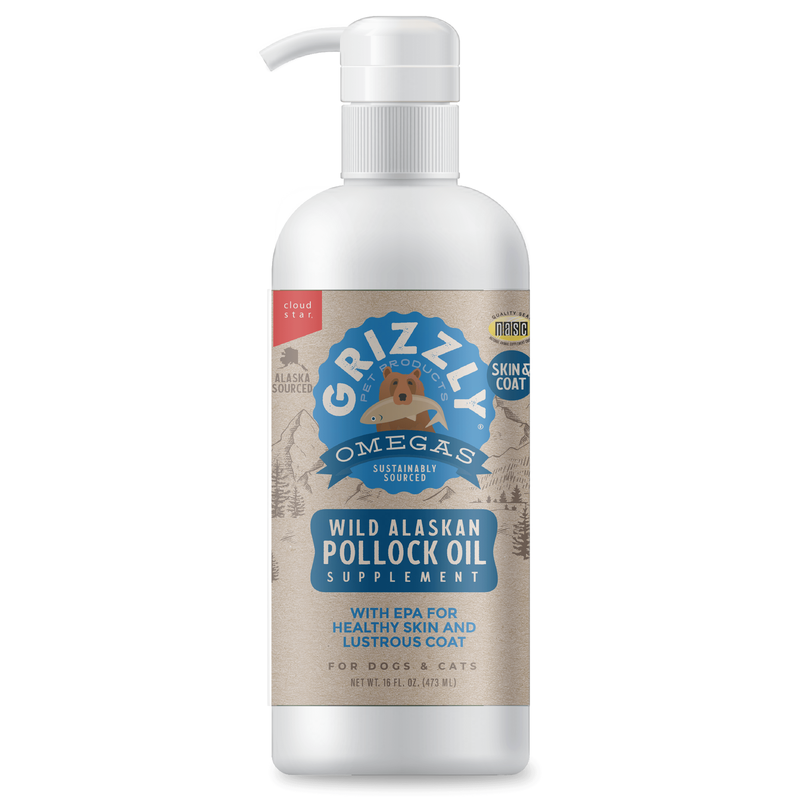
Wild Pollock Oil
fatty acid
Wild pollock oil is gaining recognition as a valuable supplement for both dogs and cats, primarily due to its rich content of omega-3 fatty acids, specifically EPA (eicosapentaenoic acid) and DHA (docosahexaenoic acid). These essential fatty acids are not produced by a pet's body and must be obtained through diet. Sourced from wild-caught Alaskan pollock, this oil offers a distinct profile compared to other common fish oils, making it a subject of interest for pet owners seeking to enhance their companions' health. Understanding its specific benefits, appropriate dosage, and safety considerations is crucial for informed supplementation.
Pollock Oil Supplement: Understanding the Core
A wild pollock oil supplement for dogs and cats is essentially a concentrated source of omega-3 fatty acids derived from the tissues of wild-caught Alaskan pollock. Unlike some other fish oils, pollock oil often boasts a milder flavor and lighter color, which can be advantageous for pets with sensitive palates. The primary appeal lies in its omega-3 concentrations, which support various physiological functions.
The practical implications of choosing pollock oil over other omega-3 sources often come down to its sustainability profile and its specific fatty acid ratios. Wild Alaskan pollock fisheries are generally well-managed and considered sustainable, appealing to environmentally conscious pet owners. Regarding its composition, pollock oil typically contains a balanced ratio of EPA and DHA, though the exact amounts can vary between brands. This balance is important because both EPA and DHA play distinct but complementary roles in pet health. EPA is more widely recognized for its anti-inflammatory properties, while DHA is critical for brain and vision development and function.
For example, a dog struggling with dry, flaky skin or a dull coat might see improvements from the anti-inflammatory and moisturizing effects of omega-3s in pollock oil. Similarly, an older cat with stiff joints could benefit from the joint-supporting properties. However, it's not a magic cure; consistent, appropriate supplementation is key. The oil acts as a dietary aid, supporting the body's natural functions rather than directly treating a specific ailment in isolation.
Grizzly Wild Alaskan Pollock Oil for Dogs & Cats: A Common Option
Grizzly Wild Alaskan Pollock Oil is a prominent example of a wild pollock oil supplement available for pets. This brand, among others, highlights the benefits of using oil derived specifically from wild Alaskan pollock. The emphasis on "wild Alaskan" is significant, often indicating a product sourced from cold, pristine waters, which can impact the quality and purity of the oil.
Brands like Grizzly often process their oil to maintain freshness and prevent oxidation, a common issue with highly unsaturated fatty acids. This usually involves methods like cold-pressing or molecular distillation, which help remove impurities and concentrate the beneficial omega-3s. The trade-off for pet owners is often cost; higher-quality, sustainably sourced, and carefully processed oils tend to be more expensive.
Consider a scenario where a pet owner is looking for a general wellness supplement for a young, active dog. Grizzly's pollock oil, with its consistent quality and readily available EPA and DHA, could be a suitable choice for supporting overall health, coat condition, and joint flexibility. For a cat, the milder taste of pollock oil might be more palatable than stronger-flavored fish oils, encouraging consistent intake. The key is to look for third-party testing certifications, which can verify the purity and omega-3 content claimed by the manufacturer, ensuring you're getting what you pay for.
The Benefits of Pollock or Salmon Oil for Cats and Dogs
Both pollock oil and salmon oil are popular fish oil supplements for pets, valued for their omega-3 fatty acid content. While they share many core benefits, there are subtle differences in their fatty acid profiles and other components.
The primary benefits for both dogs and cats include:
- Skin and Coat Health: Omega-3s help maintain the skin's natural barrier function, reducing dryness, flakiness, and itching. They can also contribute to a shinier, healthier coat by supporting cell membrane integrity.
- Joint Support: The anti-inflammatory properties of EPA can help reduce inflammation associated with arthritis and other joint conditions, leading to improved mobility and comfort, particularly in older pets.
- Heart Health: Omega-3s can contribute to cardiovascular health by supporting healthy blood pressure and reducing triglyceride levels.
- Brain and Eye Development/Function: DHA is crucial for the development of the brain and retina in young animals and supports cognitive function and vision in adult and senior pets.
- Immune System Support: Omega-3s can modulate the immune response, potentially leading to a stronger and more balanced immune system.
When comparing pollock and salmon oil, salmon oil typically contains higher levels of total omega-3s, and often a higher proportion of DHA. It also contains astaxanthin, a powerful antioxidant that gives salmon its pink color, which is not present in pollock oil. Pollock oil, while still a good source of omega-3s, generally has a slightly lower overall concentration. However, its milder flavor can be an advantage for picky eaters.
For example, a pet owner with a dog suffering from severe allergies and skin inflammation might consider salmon oil for its higher EPA content and potential astaxanthin benefits, if their dog tolerates the taste. Conversely, for a cat that refuses most supplements, pollock oil's milder profile might be a better starting point to introduce omega-3s into their diet. The choice often depends on the specific health concern, the pet's palatability preferences, and the desired concentration of EPA and DHA.
Wild Alaskan Omega-3 Blend Pollock + Salmon Oil: Combining Benefits
Some pet supplements combine wild Alaskan pollock oil with salmon oil, creating an "Omega-3 Blend." The rationale behind this blend is to leverage the benefits of both fish oils, potentially offering a broader spectrum of omega-3s and other beneficial compounds.
These blends aim to provide a comprehensive omega-3 profile. Salmon oil contributes higher DHA and astaxanthin, while pollock oil adds its own EPA and DHA content and often a milder taste profile that can help balance the stronger flavor of pure salmon oil. This combination might be particularly appealing for pet owners looking for a robust, all-in-one solution without having to purchase two separate supplements.
Consider a large breed dog puppy. A blend could provide the high DHA crucial for brain and eye development from the salmon component, alongside the general anti-inflammatory support from both oils for growing joints. For an adult cat, such a blend could offer balanced support for skin, coat, and cognitive function. The advantage is a potentially more complete nutritional profile, while the trade-off might be a slightly higher cost than a single-source oil. It's important to check the label for the specific ratios of EPA and DHA in the blend, as these can vary significantly between products.
Pollock Oil for Dogs – UltraCruz - Santa Cruz Animal Health: A Look at Specific Formulations
Brands like UltraCruz, offered by Santa Cruz Animal Health, provide specific formulations of pollock oil for dogs. These products often focus on purity, concentration, and ease of use. The emphasis is typically on delivering a consistent and effective dose of omega-3s.
The practical implications for these specialized products often revolve around dosage accuracy and quality control. Reputable brands will often provide detailed analyses of their oil's omega-3 content and purity, sometimes through third-party testing. This transparency is crucial for pet owners who want to ensure they are giving their dog a safe and effective supplement.
For instance, a dog owner with a veterinarian's recommendation for a specific daily intake of EPA and DHA might find it easier to achieve this with a product like UltraCruz, which clearly labels its omega-3 concentrations per serving. The form of the supplement (e.g., liquid, gel caps) also plays a role. Liquid pollock oil can be easily mixed into food, which is convenient for many dogs, while gel caps might be preferred for those who dislike the taste of oil in their bowl. The trade-off can sometimes be the price point, as highly refined and tested products often come at a premium.
5 Reasons Wild Alaska Pollock is the Ultimate Fish Oil: A Deeper Dive
While "ultimate" is a strong claim, there are indeed several compelling reasons why wild Alaskan pollock oil is considered an excellent choice for pet supplementation, standing out among the various fish oil options.
However, it's important to recognize that "ultimate" is subjective. For specific conditions requiring very high concentrations of DHA (e.g., severe cognitive decline) or astaxanthin (e.g., intense antioxidant needs), other oils or blends might be more targeted. Pollock oil excels as a high-quality, sustainable, and generally well-tolerated source of essential omega-3s for broad health support.
Dosage and Safety Considerations
Determining the correct dosage of wild pollock oil for dogs and cats is critical for effectiveness and safety. Over-supplementation can lead to adverse effects, while under-supplementation may not yield desired results.
General Dosage Guidelines
Most veterinarians recommend a combined EPA and DHA intake based on the pet's weight and specific health needs. A common starting point for general wellness is approximately 20-50 mg of combined EPA and DHA per kilogram of body weight per day. However, for therapeutic purposes (e.g., severe arthritis, specific skin conditions), this dosage might be higher, sometimes up to 100-150 mg/kg/day, under veterinary guidance.
It's crucial to always refer to the specific product's label for its EPA and DHA content per serving, as this varies significantly between brands. Do not simply go by the total amount of oil.
Example Dosage Calculation (for general wellness):
A 20 kg (approx. 44 lb) dog needing 40 mg EPA+DHA/kg: 20 kg * 40 mg/kg = 800 mg combined EPA+DHA per day.
If a product contains 250 mg EPA and 150 mg DHA per 1 ml (total 400 mg EPA+DHA per ml), the dog would need 2 ml per day.
For cats, dosages are typically lower due to their smaller size. A common range is 30-50 mg combined EPA+DHA per day for an average adult cat. Again, consult product labels carefully.
Potential Side Effects
While generally safe, wild pollock oil can cause side effects, especially with excessive dosing:
- Gastrointestinal Upset: Diarrhea, vomiting, or loose stools are the most common side effects, often due to too much oil or a sudden introduction. Start with a lower dose and gradually increase.
- Fishy Breath/Odor: Some pets might develop a fishy odor to their breath or skin.
- Weight Gain: Fish oil is calorie-dense. Account for these extra calories, especially in pets prone to weight gain.
- Blood Thinning: At very high doses, omega-3s can have anti-coagulant effects. This is usually only a concern for pets on blood-thinning medications or those about to undergo surgery. Always inform your vet if your pet is on fish oil before any medical procedures.
- Vitamin E Depletion: Omega-3 fatty acids are susceptible to oxidation. Some fish oil supplements include vitamin E (a natural antioxidant) to prevent this. Long-term, high-dose omega-3 supplementation without adequate vitamin E can potentially deplete the body's vitamin E stores.
Safety Tips
Comparison Table: Pollock Oil vs. Salmon Oil
| Feature | Wild Pollock Oil | Wild Salmon Oil |
|---|---|---|
| Source | Wild Alaskan Pollock | Wild Alaskan/Pacific Salmon |
| Sustainability | Generally highly sustainable (MSC certified) | Generally sustainable, depends on specific fishery |
| Omega-3 Content | Good source of EPA & DHA; slightly lower overall | Higher overall EPA & DHA content |
| EPA:DHA Ratio | Often slightly more balanced or EPA-dominant | Often more DHA-dominant |
| Other Nutrients | Primarily omega-3s | Contains Astaxanthin (powerful antioxidant) |
| Taste/Odor | Milder, less "fishy" | Stronger, more distinct "fishy" taste/odor |
| Purity (Contaminants) | Typically very low due to shorter lifespan/food chain | Generally low in high-quality products, but higher on food chain than pollock |
| Cost | Often moderately priced | Can be slightly higher due to astaxanthin/higher omega-3s |
| Best For | General wellness, picky eaters, long-term maintenance | Targeted conditions needing higher DHA/astaxanthin, severe inflammation |
FAQ
What does wild Alaskan pollock oil do for dogs?
Wild Alaskan pollock oil provides dogs with essential omega-3 fatty acids, EPA and DHA. These support various aspects of health, including a healthy skin and shiny coat, reduced inflammation for joint comfort, improved cognitive function and vision, and overall immune system balance. It acts as a dietary supplement to fill nutritional gaps.
What does pollock do for dogs?
Pollock, both as a whole fish or its oil, is a source of lean protein and healthy fats for dogs. When referring to pollock oil, it specifically provides omega-3 fatty acids (EPA and DHA) that are crucial for cellular health, reducing inflammation, and maintaining the integrity of skin, coat, joints, and organs. It contributes to their overall vitality and well-being.
Which is better for dogs, salmon oil or pollock oil?
Neither salmon oil nor pollock oil is inherently "better"; rather, they offer slightly different profiles and cater to different needs. Salmon oil typically contains higher overall omega-3 concentrations, particularly DHA, and includes the antioxidant astaxanthin. Pollock oil, while still an excellent source of omega-3s, often has a milder taste and is lauded for its high sustainability and typically lower contaminant levels due to being lower on the food chain. The choice depends on specific health goals, your dog's palatability preferences, and whether antioxidants like astaxanthin are a priority. For general wellness and picky eaters, pollock oil can be an excellent choice. For specific therapeutic needs requiring higher DHA or astaxanthin, salmon oil or a blend might be preferred.
Conclusion
Wild pollock oil offers a compelling option for pet owners seeking to enhance their dogs' and cats' health through omega-3 fatty acid supplementation. Its sustainable sourcing, favorable purity profile, and balanced EPA/DHA content make it a valuable addition to many pet diets. While sharing many benefits with other fish oils like salmon oil, its milder taste and strong sustainability credentials often set it apart. As with any supplement, understanding proper dosage, potential side effects, and consulting with a veterinarian ensures safe and effective integration into your pet's routine, ultimately supporting their long-term well-being.
Products Containing Wild Pollock Oil
Top-rated supplements featuring this ingredient, ranked by our PSI+ score.