Red Clover
other
Red Clover (Trifolium pratense)
Category: Other
What Is Red Clover?
Red clover, scientifically known as Trifolium pratense, is a common herbaceous plant belonging to the legume family. Native to Europe, Asia, and North Africa, it is now cultivated and naturalized worldwide. Traditionally used in human herbal medicine for various ailments, red clover has gained attention in the pet supplement industry for its diverse phytochemical profile. The plant's flowers and leaves are the primary parts utilized, containing compounds such as isoflavones (e.g., genistein, daidzein, formononetin, biochanin A), coumarins, flavonoids, and phenolic acids. In pet supplements, red clover extracts are typically incorporated into powders, capsules, or liquid formulations, often combined with other botanicals to support specific health areas.
Benefits for Pets
Red clover offers several potential benefits for pets, primarily centered around its antioxidant, anti-inflammatory, and detoxifying properties. It is frequently included in formulations aimed at supporting skin health, helping to soothe irritations, and promoting a healthy, lustrous coat. The plant's compounds may assist in maintaining normal immune responses, which can be beneficial for pets experiencing environmental sensitivities. Furthermore, red clover is recognized for its traditional use in supporting the body's natural detoxification processes, aiding in the elimination of metabolic waste products and contributing to overall systemic well-being.
Scientific Evidence
Research into red clover's effects, particularly in veterinary contexts, is ongoing. Much of the foundational understanding comes from in vitro studies and animal models, often focusing on its primary active compounds, the isoflavones. These studies suggest that red clover extracts exhibit antioxidant activity, which can help combat oxidative stress in cells. Some research indicates potential anti-inflammatory effects through modulation of inflammatory pathways. While direct clinical trials on red clover for specific pet conditions are limited, the extrapolation from human studies and general pharmacological understanding of its constituents supports its traditional and complementary use in pet health. Its role in supporting liver function and detoxification pathways has also been explored in various experimental settings.
Dosage Guidelines
Dosage guidelines for red clover in pets can vary significantly based on the concentration of the extract, the specific formulation, and the pet's size and individual needs. As a general guideline, for a dried herb or a standardized extract, typical dosages might range from 50 mg to 200 mg per 10 kg (22 lbs) of body weight daily, often split into two doses. For smaller pets (under 5 kg), dosages might be in the range of 25-50 mg daily, while larger dogs (over 25 kg) could receive 250-500 mg daily. It is crucial to follow the manufacturer's specific instructions on any red clover supplement, as concentrations differ. Administration is usually oral, mixed with food or given directly.
Safety Considerations
Red clover is generally considered safe for most pets when administered appropriately. However, potential side effects, though rare, can include mild gastrointestinal upset such as diarrhea or soft stools, especially at higher doses. Due to its coumarin content, red clover may theoretically have mild anticoagulant properties, so it should be used with caution in pets on blood-thinning medications or those with bleeding disorders. It is also contraindicated in pregnant or lactating animals due to its phytoestrogen content, which could potentially interfere with hormone balance. Always consult a veterinarian before introducing any new supplement, especially for pets with pre-existing health conditions or those on medication.
Which Pets Benefit Most
Pets that may benefit most from red clover supplementation include those requiring support for skin and coat health, such as pets prone to seasonal skin irritations or dull coats. Animals needing assistance with natural detoxification processes, perhaps due to environmental exposures or metabolic stress, may also find it beneficial. While not breed-specific, any pet exhibiting signs of mild systemic inflammation or requiring antioxidant support could potentially benefit. It is particularly suitable for adult pets, but careful consideration and veterinary consultation are essential for senior pets or those with compromised organ function.
Products Containing Red Clover
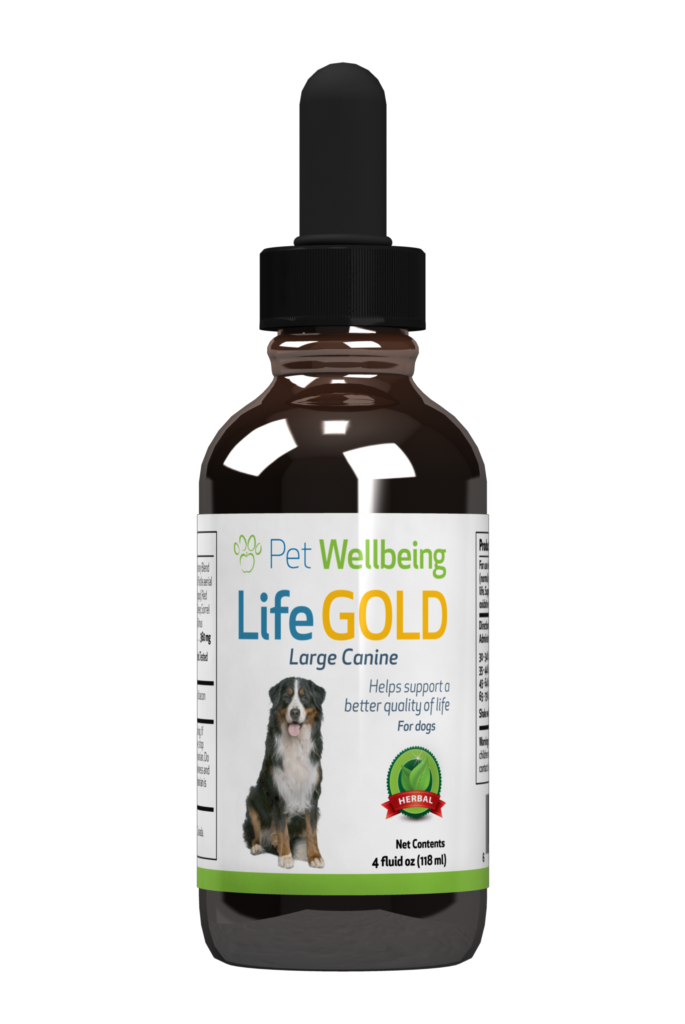
Top-rated supplements featuring this ingredient, ranked by our PSI+ score.