Lactose Monohydrate
inactive ingredient
Lactose Monohydrate
Lactose monohydrate is a common ingredient found in a wide variety of pet supplements. While its name might suggest a direct nutritional benefit, its primary role in these formulations is often as an inactive ingredient, contributing to the overall structure and consistency of the product rather than providing active therapeutic effects.
What Is Lactose Monohydrate?
Lactose monohydrate is a disaccharide, a type of sugar composed of one molecule of glucose and one molecule of galactose, with an attached water molecule. It is derived from milk, making it a natural carbohydrate. In the context of pet supplements, lactose monohydrate is predominantly used as a pharmaceutical excipient. This means it acts as a filler, diluent, or binder in tablets, capsules, and powders. Its purpose is to add bulk, improve the compressibility of the formulation, and ensure consistent dosage and product integrity. It helps active ingredients disperse evenly and can improve the palatability of some supplements.
Benefits for Pets
Unlike active ingredients that directly support specific health functions, the "benefits" of lactose monohydrate for pets are indirect, stemming from its role as an excipient. By facilitating the creation of stable, accurately dosed, and palatable supplement forms, it indirectly supports the effective delivery of the active ingredients. For instance, a well-formed tablet that crumbles easily in food or can be administered directly is more likely to be consumed by a pet, thus ensuring they receive the intended therapeutic compounds.
Scientific Evidence
Research on lactose monohydrate in pet supplements primarily focuses on its efficacy as an excipient rather than its direct physiological impact. Studies in pharmaceutical science, including various in vitro and in vivo studies, have demonstrated its suitability as a bulking agent and binder in drug and supplement formulations. These investigations assess parameters such as tablet hardness, disintegration time, and dissolution rates, confirming its ability to create stable and bioavailable dosage forms. For example, research has shown that lactose monohydrate can improve the flow properties of powders, which is crucial for consistent manufacturing and accurate dosing.
Dosage Guidelines
As an inactive ingredient, lactose monohydrate does not have a specific therapeutic dosage. Its concentration in pet supplements varies widely depending on the formulation and the amount of active ingredients it needs to bind or dilute. Typically, it constitutes a significant portion of the tablet or capsule weight, ranging from a few milligrams to several hundred milligrams per dose. Pet owners should always follow the dosage instructions provided on the supplement label, as these are determined by the active ingredients, not the excipients.
Safety Considerations
Lactose monohydrate is generally considered safe for use in pet supplements at appropriate levels. However, it is important to acknowledge that some pets, particularly adult cats and certain dog breeds, can be lactose intolerant. This condition arises from a deficiency in lactase, the enzyme required to break down lactose. In lactose-intolerant animals, consuming significant amounts of lactose can lead to gastrointestinal upset, including diarrhea, gas, and abdominal discomfort. While the amount of lactose in a single supplement dose is often small, cumulative intake or high sensitivity could potentially trigger symptoms. Pet owners should monitor their pet for any signs of digestive upset after starting a new supplement containing lactose monohydrate. There are no known significant drug interactions associated with lactose monohydrate itself, beyond its potential to cause gastrointestinal distress in sensitive individuals.
Which Pets Benefit Most
Pets that benefit most from supplements containing lactose monohydrate are those that require the active ingredients delivered within such formulations. Since its role is primarily structural, it is not targeted at specific breeds, ages, or health conditions directly. However, for pets that are not lactose intolerant, its inclusion helps ensure that they receive a consistent and palatable dose of the intended active ingredients. Pet owners of animals with known lactose intolerance or sensitive digestive systems might prefer supplements formulated with alternative excipients to avoid potential gastrointestinal issues.
Products Containing Lactose Monohydrate
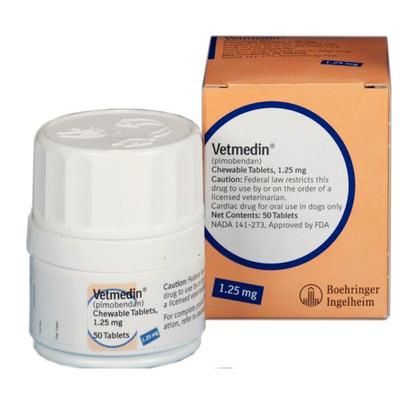
Top-rated supplements featuring this ingredient, ranked by our PSI+ score.