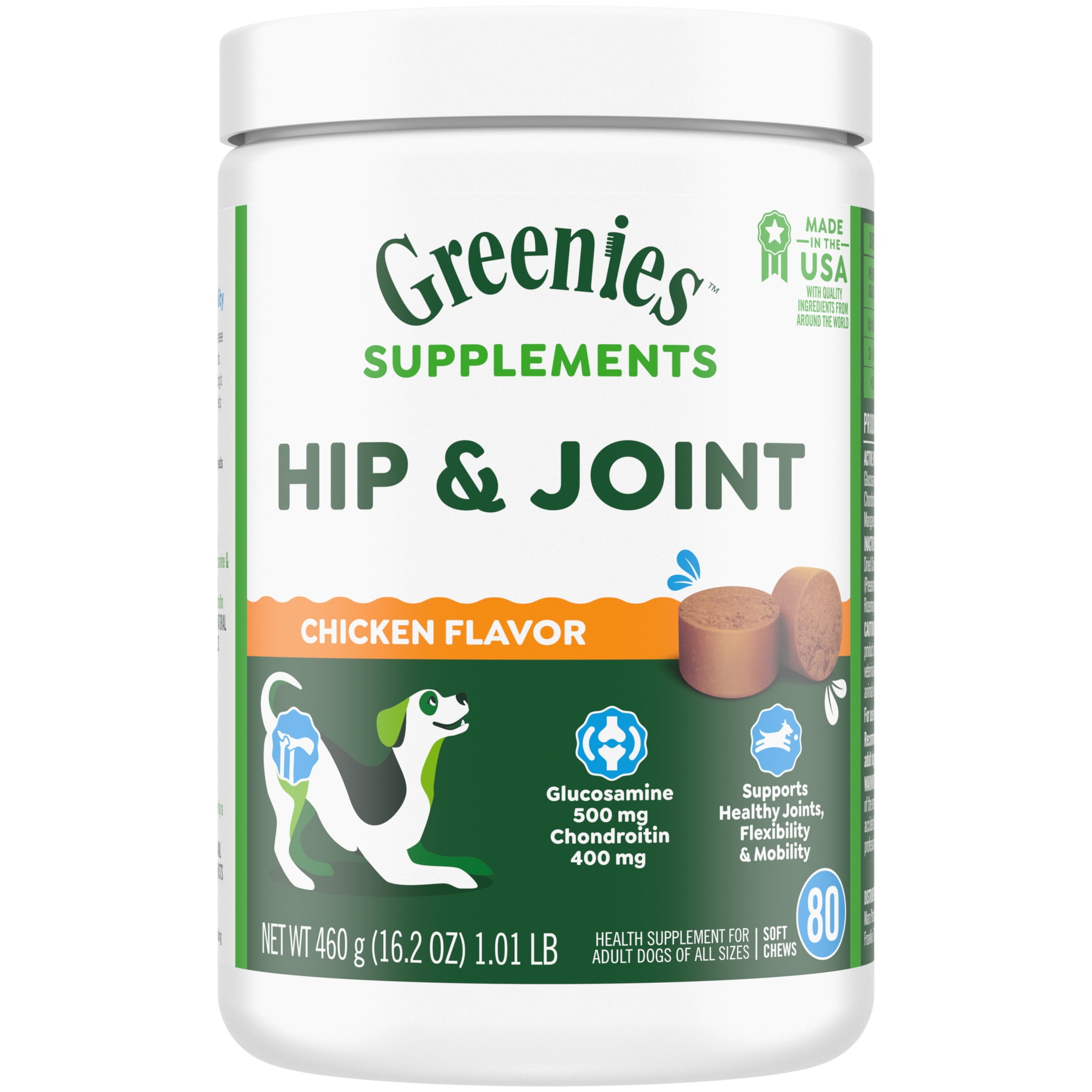
Glucosamine Hydrochloride (Shellfish)
joint-support
Glucosamine Hydrochloride (Shellfish)
Glucosamine Hydrochloride (Shellfish) is a widely recognized ingredient in pet supplements, primarily valued for its role in supporting joint health. As an amino sugar, it serves as a fundamental building block for various macromolecules within the body, most notably those found in cartilage.
What Is Glucosamine Hydrochloride (Shellfish)?
Glucosamine hydrochloride (HCl) is a naturally occurring compound synthesized in the body, where it is a precursor for glycosaminoglycans (GAGs) and proteoglycans. These complex molecules are crucial components of articular cartilage, the smooth, resilient tissue that covers the ends of bones in joints, enabling frictionless movement. The "shellfish" designation indicates its origin, typically derived from the exoskeletons of crustaceans such as crabs, shrimp, and lobsters. In pet supplements, it is included to provide the body with essential precursors needed for cartilage repair and maintenance, thereby supporting overall joint structure and function.
Benefits for Pets
For pets, particularly dogs and cats, glucosamine HCl offers several key benefits related to joint health. It is believed to help maintain the integrity and elasticity of cartilage, which can become compromised due to aging, injury, or genetic predispositions. By promoting the synthesis of GAGs like chondroitin sulfate, it contributes to the shock-absorbing properties of cartilage and supports the production of synovial fluid, which lubricates the joints. This can lead to improved comfort and mobility, especially in pets experiencing age-related joint stiffness or those recovering from joint stress.
Scientific Evidence
Research into glucosamine HCl's efficacy in pets has yielded varying but generally positive results. Numerous clinical trials in dogs have investigated its role in supporting joint health, often in combination with other ingredients like chondroitin sulfate. These studies frequently report improvements in lameness scores, pain indicators, and overall mobility, particularly in canine populations with osteoarthritis. While some studies have shown modest effects, others demonstrate significant benefits, suggesting that individual responses can vary. In vitro studies have also confirmed glucosamine's ability to stimulate chondrocyte (cartilage cell) activity and GAG synthesis, providing a mechanistic basis for its observed clinical effects.
Dosage Guidelines
Typical dosage guidelines for glucosamine HCl in pets vary based on body weight and the specific product formulation. For dogs, a common initial "loading" dose might range from 25-50 mg per kilogram of body weight per day for several weeks, followed by a maintenance dose of 15-30 mg/kg/day. For example, a medium-sized dog (20-30 kg) might receive 500-1000 mg daily. Cats generally require lower doses, often in the range of 125-250 mg per day. It is usually administered orally, often mixed with food, and many pet supplements combine it with other joint-supporting ingredients. Always consult with a veterinarian to determine the most appropriate dosage for an individual pet.
Safety Considerations
Glucosamine HCl is generally considered safe for most pets when administered at recommended dosages. Side effects are rare but can include mild gastrointestinal upset such as vomiting, diarrhea, or constipation. Pets with shellfish allergies should avoid glucosamine derived from shellfish, and alternative sources (e.g., synthetic or fungal-derived) should be sought. It is important to discuss any existing medical conditions or medications with a veterinarian before starting supplementation, as potential interactions, though uncommon, could occur with certain drugs like anticoagulants or insulin.
Which Pets Benefit Most
A wide range of pets can benefit from glucosamine HCl supplementation. Senior pets, particularly those showing signs of stiffness or reduced mobility, are prime candidates. Large and giant breed dogs, such as German Shepherds, Labradors, and Golden Retrievers, are often predisposed to joint issues and can benefit from early intervention. Active and working dogs, as well as those recovering from orthopedic injuries or surgeries, may also find support for joint recovery and maintenance. While less common, cats, especially older felines, can also experience improved comfort and mobility with appropriate supplementation.
Products Containing Glucosamine Hydrochloride (Shellfish)
Top-rated supplements featuring this ingredient, ranked by our PSI+ score.