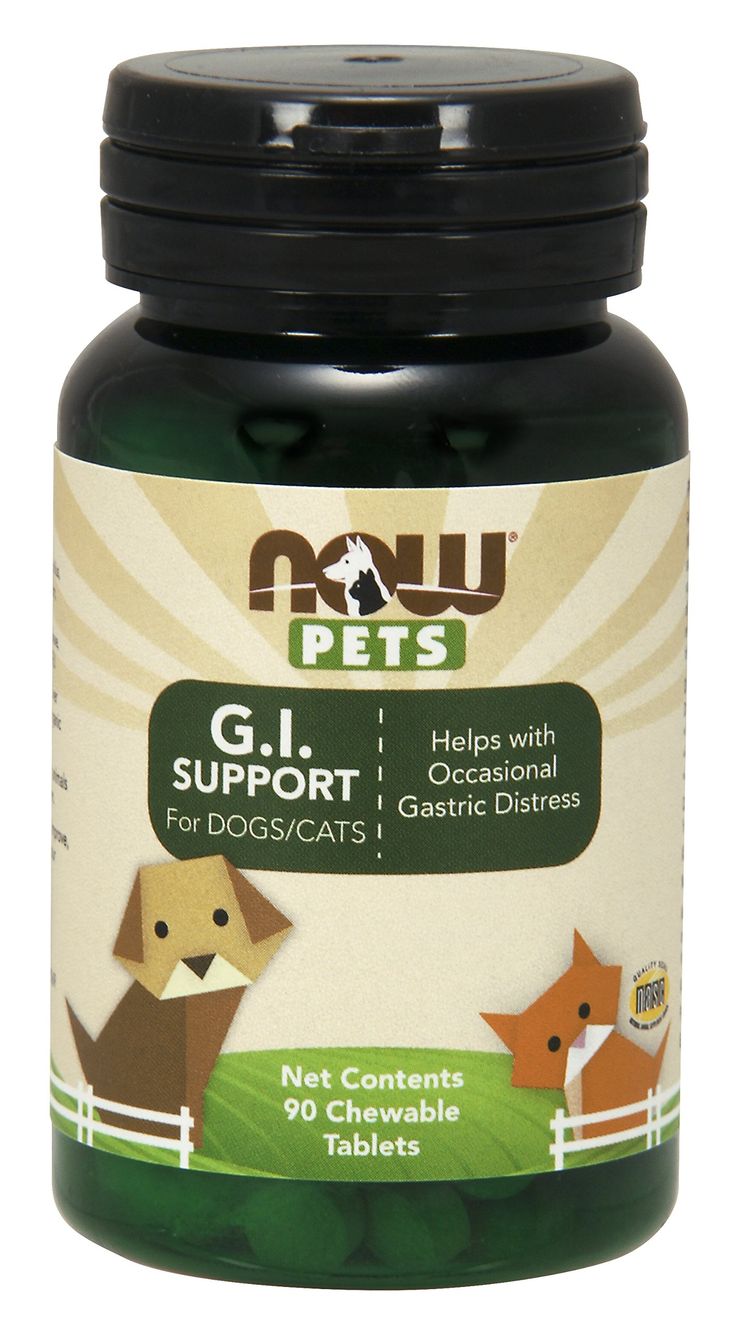
Digestive Enzyme Blend (Amylase, Protease, Lipase, Cellulase, Lactase)
enzyme
Digestive Enzyme Blend (Amylase, Protease, Lipase, Cellulase, Lactase)
What Is Digestive Enzyme Blend (Amylase, Protease, Lipase, Cellulase, Lactase)?
A digestive enzyme blend typically refers to a combination of enzymes crucial for breaking down various food components. This specific blend includes Amylase, Protease, Lipase, Cellulase, and Lactase. These enzymes are naturally produced in the digestive systems of animals, primarily in the pancreas and small intestine, to facilitate nutrient absorption. In pet supplements, these enzymes are often derived from fungal (e.g., Aspergillus oryzae, Aspergillus niger) or plant (e.g., pineapple, papaya) sources, or sometimes from animal pancreatin. The purpose of incorporating them into supplements is to augment the pet's natural enzyme production, thereby enhancing the digestion of carbohydrates, proteins, fats, and certain plant fibers.
- Amylase: Breaks down complex carbohydrates (starches) into simpler sugars.
- Protease: Digests proteins into amino acids and smaller peptides.
- Lipase: Hydrolyzes fats (triglycerides) into fatty acids and glycerol.
- Cellulase: Breaks down cellulose, a component of plant cell walls, which animals cannot naturally digest.
- Lactase: Digests lactose, the sugar found in milk, into glucose and galactose.
Benefits for Pets
Supplementing with a comprehensive digestive enzyme blend can offer several benefits for pets. By improving the breakdown of food, these enzymes help optimize nutrient absorption, ensuring pets get the most nutritional value from their diet. This can support overall vitality, healthy weight management, and a robust immune system. For pets experiencing digestive discomfort, such as occasional gas, bloating, or loose stools, these enzymes can help alleviate symptoms by promoting more efficient digestion. They are particularly beneficial for pets with compromised pancreatic function or those consuming highly processed diets.
Scientific Evidence
Research into digestive enzyme supplementation for pets has explored its impact on nutrient digestibility and gastrointestinal health. Clinical trials in dogs and cats with exocrine pancreatic insufficiency (EPI) have consistently demonstrated that enzyme supplementation significantly improves fat, protein, and carbohydrate digestion, leading to better nutrient absorption and resolution of maldigestion symptoms. Studies on healthy animals have also indicated that supplemental enzymes can enhance the digestibility of certain macronutrients, particularly when diets contain ingredients that are more challenging to break down. In vitro studies have confirmed the enzymatic activity of these blends across a range of pH conditions relevant to the canine and feline digestive tracts.
Dosage Guidelines
Dosage for digestive enzyme blends varies widely depending on the concentration of active enzymes, the pet's size, and the specific condition being addressed. A common approach involves administering the enzymes with each meal. For a typical blend, a general guideline might be:
- Small Dogs/Cats (under 20 lbs): 1/4 to 1/2 teaspoon or 1/2 to 1 capsule per meal.
- Medium Dogs (20-50 lbs): 1/2 to 1 teaspoon or 1 to 2 capsules per meal.
- Large Dogs (over 50 lbs): 1 to 2 teaspoons or 2 to 4 capsules per meal.
Safety Considerations
Digestive enzyme blends are generally considered safe for most pets when administered according to guidelines. Potential side effects are rare but can include mild gastrointestinal upset such as diarrhea or vomiting, especially if too high a dose is given initially. Pets with known allergies to specific protein sources (e.g., pork in pancreatin-based enzymes) should avoid those products. There are generally no significant drug interactions, but it is always advisable to consult a veterinarian before introducing any new supplement, particularly for pets on existing medications or with pre-existing health conditions.
Which Pets Benefit Most
A wide range of pets can benefit from digestive enzyme supplementation. Pets with diagnosed exocrine pancreatic insufficiency (EPI) are primary candidates, as their bodies do not produce sufficient enzymes. Older pets, whose natural enzyme production may decline with age, can also experience improved digestion and nutrient uptake. Pets consuming highly processed commercial diets, which can be more challenging to digest, or those transitioning to new diets, may also benefit. Furthermore, breeds predisposed to digestive sensitivities or those experiencing occasional digestive upset, such as flatulence or loose stools, might find relief with enzyme support. Pets with food sensitivities or allergies may also benefit from enhanced digestion of problematic ingredients.
Products Containing Digestive Enzyme Blend (Amylase, Protease, Lipase, Cellulase, Lactase)
Top-rated supplements featuring this ingredient, ranked by our PSI+ score.