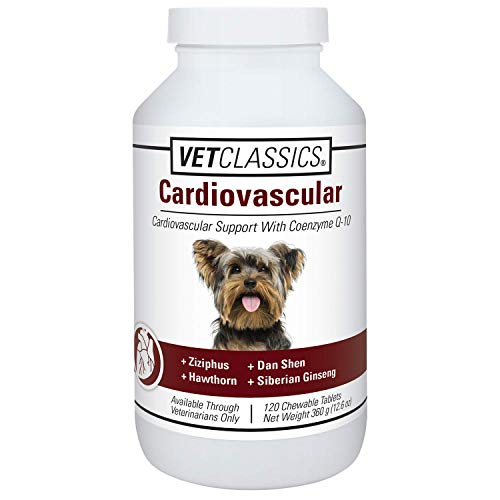
Coenzyme Q-10
amino-acid
Coenzyme Q-10
Category: Amino Acid
Current Description: Coenzyme Q-10 is a powerful antioxidant and essential compound for cellular energy production. It supports cardiovascular health, immune function, and provides antioxidant protection, helping to maintain overall cellular vitality and health in pets.
What Is Coenzyme Q-10?
Coenzyme Q-10 (CoQ10), also known as ubiquinone, is a fat-soluble, vitamin-like substance naturally produced by the body. It plays a critical role in the electron transport chain within mitochondria, the "powerhouses" of cells, where it is essential for the production of adenosine triphosphate (ATP), the primary energy currency of the cell. Beyond its energy-generating function, CoQ10 is a potent antioxidant, protecting cells from damage caused by free radicals. In pets, CoQ10 is included in supplements to support various physiological functions, particularly those related to energy metabolism and oxidative stress.
Benefits for Pets
The multifaceted role of CoQ10 translates into several potential health benefits for dogs and cats:
- Cardiovascular Health: CoQ10 is highly concentrated in the heart muscle, which has high energy demands. Supplementation is often used to support cardiac function, particularly in pets with age-related heart conditions or those requiring additional cardiovascular support. It helps maintain the efficiency of heart muscle contractions.
- Antioxidant Protection: As a powerful antioxidant, CoQ10 helps neutralize harmful free radicals, reducing oxidative stress throughout the body. This can contribute to overall cellular health and may slow down age-related cellular decline.
- Energy Production: By facilitating ATP synthesis, CoQ10 supports optimal energy levels, which can be beneficial for active pets, senior animals, or those recovering from illness.
- Immune System Support: Healthy cellular function, fueled by adequate energy and protected from oxidative damage, is fundamental for a robust immune response. CoQ10 may indirectly support immune system vitality.
- Gum and Dental Health: Some research suggests CoQ10 may support gum tissue health, potentially aiding in the maintenance of oral hygiene.
Scientific Evidence
Research into CoQ10 in veterinary medicine has explored its potential benefits across various conditions. Clinical trials in dogs with certain cardiac diseases have indicated that CoQ10 supplementation, often alongside conventional treatments, may help support heart function and improve quality of life parameters. In vitro studies have demonstrated its antioxidant capabilities in canine and feline cells. While comprehensive, large-scale clinical trials specifically on healthy pets are less common, the established biochemical role of CoQ10 in energy production and antioxidant defense provides a strong mechanistic basis for its use in supporting overall health, particularly in conditions associated with high metabolic demand or oxidative stress.
Dosage Guidelines
Typical dosages for CoQ10 in pets can vary based on the pet's size, condition, and the specific product formulation. A common guideline for dogs is generally 1-3 mg per kilogram of body weight per day, often divided into two doses. For example, a medium-sized dog (20 kg) might receive 20-60 mg daily. Cats typically receive lower doses, often in the range of 10-30 mg per day, depending on their weight and health needs. It is usually administered orally, often in capsule, softgel, or liquid form, and can be given with food to enhance absorption. Always consult with a veterinarian to determine the appropriate dosage for an individual pet.
Safety Considerations
CoQ10 is generally considered safe for pets with a wide margin of safety. Side effects are rare but can include mild gastrointestinal upset, such as diarrhea or loss of appetite, particularly at very high doses. It is important to note that CoQ10 can potentially interact with certain medications. For instance, it may interfere with the action of anticoagulant (blood-thinning) drugs, potentially reducing their effectiveness. Pets on chemotherapy or those with liver or kidney disease should be given CoQ10 only under strict veterinary supervision. Pregnant or lactating animals should also avoid supplementation unless specifically advised by a veterinarian due to insufficient safety data in these groups.
Which Pets Benefit Most
Certain pets are more likely to benefit from CoQ10 supplementation. Senior pets, whose natural CoQ10 production may decline with age, can benefit from its support for energy and antioxidant defenses. Breeds predisposed to certain cardiac conditions, such as Boxers, Doberman Pinschers, and Maine Coon cats, may benefit from its cardiovascular support. Pets with high energy demands, those undergoing intense physical activity, or animals recovering from illness or surgery may also find it beneficial. Any pet exhibiting signs of reduced vitality or those needing comprehensive cellular support could be considered candidates for CoQ10, always in consultation with a veterinary professional.
Products Containing Coenzyme Q-10
Top-rated supplements featuring this ingredient, ranked by our PSI+ score.