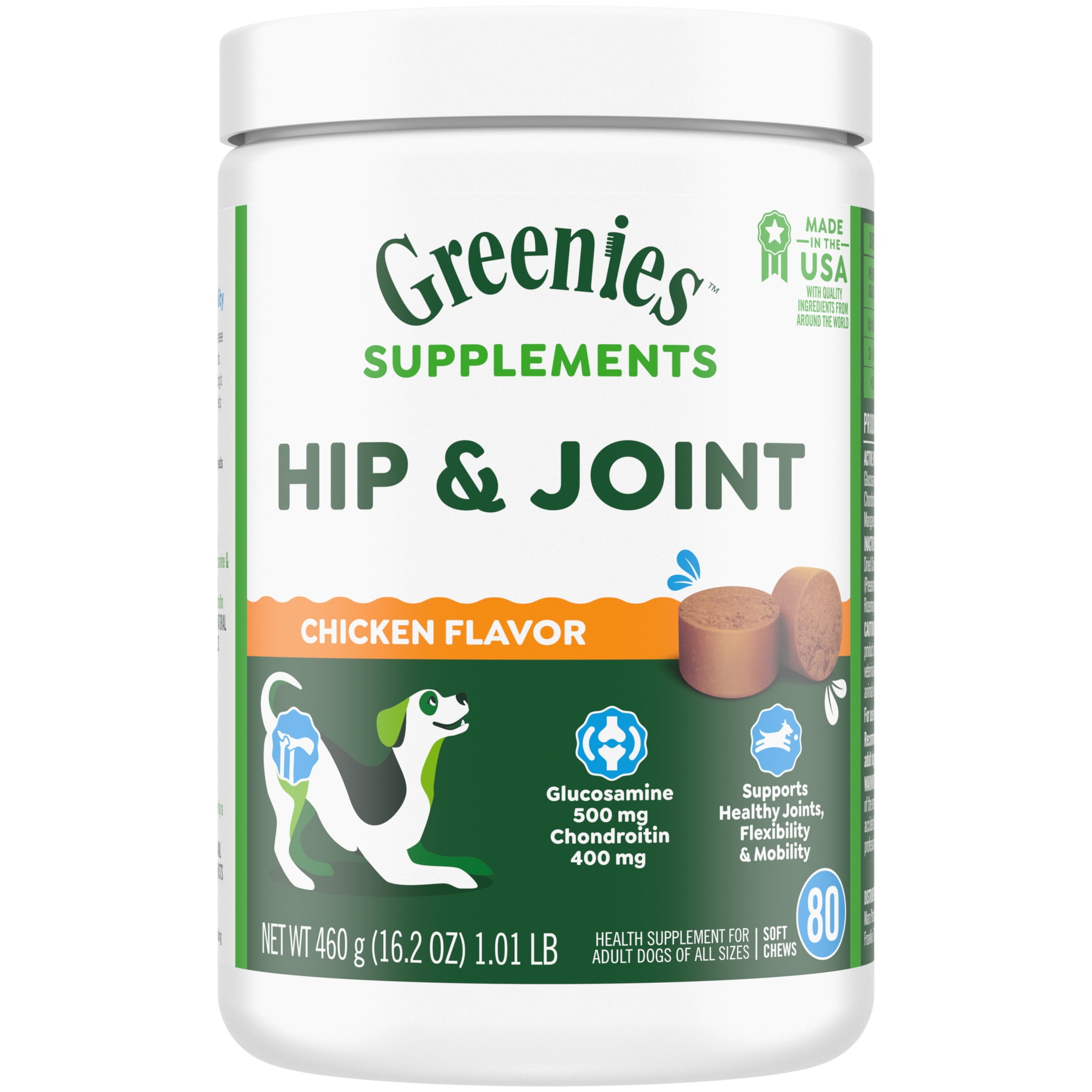
Chondroitin Sulfate (Chicken)
joint-support
Chondroitin Sulfate (Chicken)
Category: Joint Support
Current Description: Chondroitin Sulfate (Chicken) is a major component of cartilage that helps maintain its structural integrity and elasticity. It supports joint health in pets by attracting fluid into the cartilage, providing shock absorption and lubrication for smoother joint movement.
What Is Chondroitin Sulfate (Chicken)?
Chondroitin sulfate is a naturally occurring glycosaminoglycan, a complex carbohydrate that plays a crucial role in the structure and function of cartilage. In pet supplements, "Chondroitin Sulfate (Chicken)" specifically refers to chondroitin sulfate derived from chicken cartilage. This ingredient is extensively used due to its bioavailability and its structural similarity to the chondroitin found in mammalian cartilage. It is a key building block of the extracellular matrix of cartilage, providing much of its resistance to compression and elasticity. Supplements typically contain chondroitin sulfate extracted and purified from chicken sources, often in powdered or granular form, which is then incorporated into chews, tablets, or liquid formulations.
Benefits for Pets
The primary benefits of chondroitin sulfate for pets revolve around joint health and mobility. It helps maintain the structural integrity of cartilage, which is essential for proper joint function. By attracting water into the cartilage matrix, chondroitin sulfate contributes to its shock-absorbing properties and lubrication, facilitating smoother joint movement. This can help reduce discomfort associated with normal aging and daily activity. It also supports the body's natural processes for cartilage repair and can help inhibit enzymes that break down cartilage, thereby promoting long-term joint health. Pets experiencing stiffness, reduced activity, or difficulty with stairs may show improvement in comfort and mobility with consistent supplementation.
Scientific Evidence
Numerous studies have investigated the efficacy of chondroitin sulfate in canine and feline joint health. Clinical trials in dogs with osteoarthritis have demonstrated that chondroitin sulfate, often in combination with glucosamine, can lead to improvements in lameness, pain, and weight-bearing ability. Research suggests it can help maintain cartilage structure and may have anti-inflammatory properties, contributing to overall joint comfort. While individual responses can vary, the consistent findings across multiple studies support its role as a beneficial supplement for joint support. In vitro studies have also elucidated its mechanisms of action, showing its ability to protect chondrocytes (cartilage cells) and stimulate the synthesis of new cartilage components.
Dosage Guidelines
Dosage recommendations for chondroitin sulfate can vary based on the pet's size, condition, and the specific product formulation. For dogs, a common daily maintenance dose ranges from 10-20 mg per kilogram of body weight. For example, a small dog (5-10 kg) might receive 50-200 mg daily, a medium dog (10-25 kg) 200-500 mg, and a large dog (25-50 kg) 500-1000 mg. Cats typically receive lower doses, often in the range of 50-125 mg per day. It is often administered once or twice daily, and some veterinarians recommend an initial "loading phase" with a higher dose for the first 4-6 weeks to build up levels in the body, followed by a maintenance dose. Always consult with a veterinarian for precise dosing tailored to your pet's individual needs.
Safety Considerations
Chondroitin sulfate is generally considered safe for most pets when administered at recommended dosages. Side effects are rare but can include mild gastrointestinal upset such as diarrhea or vomiting. These symptoms are usually transient and may be mitigated by administering the supplement with food. There are no known significant drug interactions, though caution is advised when combining with blood thinners due to theoretical concerns about increased bleeding risk, although this has not been widely observed in practice. Pets with known allergies to chicken should avoid chicken-derived chondroitin sulfate, and alternatives from other sources (e.g., bovine, porcine) may be considered. As with any supplement, pregnant or lactating animals, or those with pre-existing medical conditions, should only receive chondroitin sulfate under veterinary guidance.
Which Pets Benefit Most
Chondroitin sulfate supplementation can be particularly beneficial for several groups of pets. Senior dogs and cats are prime candidates, as they are more prone to age-related joint stiffness and reduced mobility. Large and giant breed dogs, such as German Shepherds, Labradors, and Golden Retrievers, often experience significant joint stress due to their size and conformation, making them ideal candidates for proactive joint support. Active and working dogs, including agility dogs or those involved in strenuous activities, can also benefit from chondroitin sulfate to help maintain joint health and resilience. Furthermore, pets recovering from joint injuries or surgeries may find it supportive during their rehabilitation phase. Ultimately, any pet showing early signs of joint discomfort or those at higher risk due to breed or lifestyle can benefit from this ingredient.
Products Containing Chondroitin Sulfate (Chicken)
Top-rated supplements featuring this ingredient, ranked by our PSI+ score.