Blessed Thistle
other
What Is Blessed Thistle?
Blessed Thistle (Cnicus benedictus), also known as Holy Thistle or Spotted Thistle, is an annual plant native to the Mediterranean region. Historically, it has been revered for its medicinal properties in traditional herbal medicine for centuries. In the context of pet supplements, the aerial parts of the plant, including the leaves and flowering tops, are typically processed into extracts, powders, or tinctures. It is incorporated into formulations primarily to support digestive health, liver function, and appetite stimulation in companion animals.
Benefits for Pets
Blessed Thistle offers several potential benefits for pets, particularly concerning gastrointestinal and hepatic systems. Its primary actions include promoting appetite, which can be beneficial for pets experiencing inappetence due to illness or stress. It is also recognized for its choleretic properties, meaning it helps stimulate bile production and flow from the liver and gallbladder. This improved bile flow is crucial for efficient fat digestion and absorption of fat-soluble vitamins (A, D, E, K), thereby supporting overall nutrient assimilation. Furthermore, its mild bitter compounds are thought to have carminative effects, helping to alleviate gas and bloating, contributing to a more comfortable digestive experience.
Scientific Evidence
While extensive veterinary-specific clinical trials on Blessed Thistle are limited, traditional use and some preliminary research in other fields provide insight into its potential mechanisms. Studies, often in vitro or involving animal models (not necessarily companion animals), have explored its bitter compounds, such as cnicin, which are believed to be responsible for its appetite-stimulating and digestive effects. These compounds can interact with taste receptors and stimulate digestive enzyme secretion. Research also points to its potential antioxidant properties, which can help protect liver cells from oxidative stress. While direct, large-scale clinical trials in dogs and cats are still emerging, the historical use and understanding of its active constituents support its traditional applications.
Dosage Guidelines
Dosage for Blessed Thistle in pets can vary significantly based on the concentration of the extract or powder and the pet's size and condition. As a general guideline, for a dried herb or powder, typical dosages might range from 50 mg to 200 mg for small dogs and cats (under 20 lbs), 200 mg to 500 mg for medium dogs (20-50 lbs), and 500 mg to 1000 mg for large dogs (over 50 lbs), administered once or twice daily. Liquid extracts or tinctures will have different dosing instructions, typically provided in drops based on concentration. It is crucial to always follow the specific instructions on the product label or consult with a veterinarian for personalized dosing advice.
Safety Considerations
Blessed Thistle is generally considered safe for most pets when administered appropriately. However, potential side effects can include mild gastrointestinal upset, such as diarrhea or stomach discomfort, particularly if given in excessive amounts. Due to its choleretic properties, it should be used with caution in pets with gallstones or bile duct obstructions, as it could potentially exacerbate these conditions. There are no well-documented significant drug interactions, but it's always prudent to consult a veterinarian if your pet is on other medications or has underlying health issues. Pregnant or lactating animals should generally avoid this supplement unless specifically recommended by a veterinary professional.
Which Pets Benefit Most
Pets that may benefit most from Blessed Thistle include those experiencing a temporary loss of appetite due to stress, recovery from illness, or picky eating habits. Senior pets, who sometimes have diminished digestive efficiency, may also find support for better nutrient absorption. Additionally, pets requiring mild liver support or those prone to occasional digestive discomfort like gas or bloating could benefit from its carminative and choleretic actions. It is not breed-specific but rather condition-specific, making it a versatile option for various dogs and cats needing digestive and liver health assistance.
Products Containing Blessed Thistle
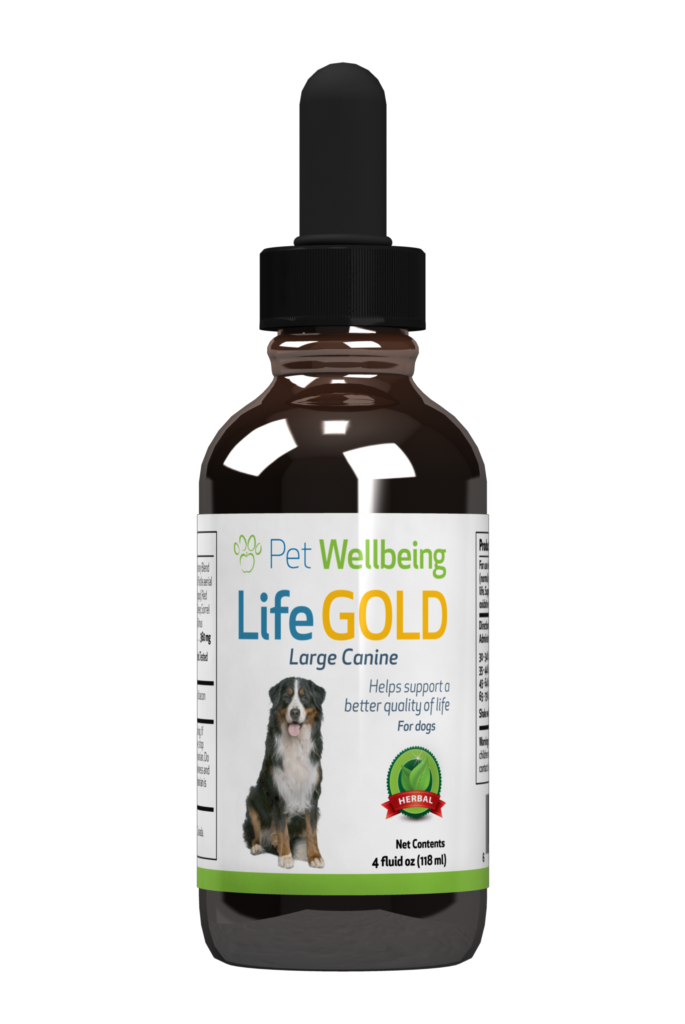
Top-rated supplements featuring this ingredient, ranked by our PSI+ score.