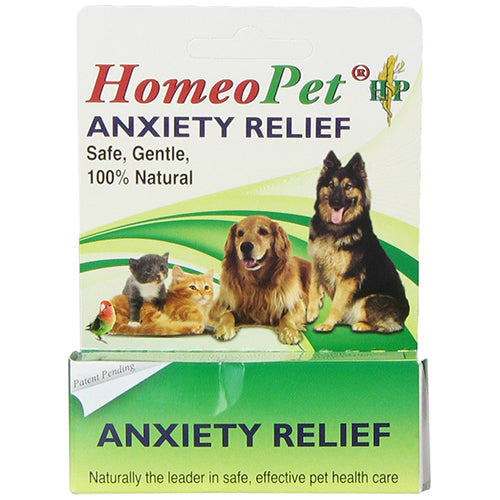
Aconitum Napellus 200c
other
Aconitum Napellus 200c: A Homeopathic Approach to Pet Wellness
Welcome to PetSupplementsIndex.com, your trusted resource for understanding pet supplement ingredients. This article delves into Aconitum Napellus 200c, a homeopathic preparation gaining attention in the pet wellness sphere.
What Is Aconitum Napellus 200c?
Aconitum Napellus 200c is a highly diluted homeopathic remedy derived from the plant Aconitum napellus, commonly known as Monkshood or Wolfsbane. In its raw form, this plant is highly toxic. However, in homeopathy, substances undergo serial dilutions and succussions (vigorous shaking) to create remedies where the original substance is present only in infinitesimal amounts, if at all. The "200c" indicates a specific dilution ratio, meaning the original substance has been diluted 200 times by a factor of 100. Homeopathic preparations are believed to work through an energetic imprint rather than biochemical action. In pet supplements, Aconitum Napellus 200c is typically incorporated into liquid formulations, pellets, or tablets designed for oral administration.
Benefits for Pets
Aconitum Napellus 200c is traditionally used in veterinary homeopathy to address acute, sudden-onset conditions characterized by fear, anxiety, or shock. It is often considered for pets experiencing:
- Sudden fear from loud noises (e.g., thunderstorms, fireworks)
- Acute anxiety following a traumatic event (e.g., car accident, vet visit)
- Restlessness and agitation associated with sudden illness or pain
- Early stages of inflammatory conditions with sudden onset and intense symptoms
- Post-surgical shock or anxiety
The remedy aims to help alleviate acute distress, promote a sense of calm, and support the pet's natural coping mechanisms during stressful or frightening situations.
Scientific Evidence
The scientific community's understanding of homeopathy, including Aconitum Napellus 200c, differs significantly from conventional medicine. While proponents of homeopathy cite anecdotal evidence and clinical observations, robust, large-scale clinical trials demonstrating the efficacy of highly diluted homeopathic remedies in pets, according to conventional scientific standards, are limited. Research in this area often faces challenges in study design due to the individualized nature of homeopathic prescribing. Some in vitro studies and small-scale animal studies have explored the effects of homeopathic dilutions, but these are not widely accepted as conclusive evidence of efficacy for specific conditions in living organisms. The mechanism of action, if any, for such highly diluted substances remains a subject of ongoing debate and research within the broader scientific community.
Dosage Guidelines
Dosage for homeopathic remedies like Aconitum Napellus 200c is generally not based on the pet's weight in the same way as conventional medications. Instead, it's typically administered based on the acute nature of the symptoms. A common approach involves giving 3-5 pellets or 1-2 drops of a liquid preparation directly into the pet's mouth, on a treat, or diluted in a small amount of water. For acute situations, this dose may be repeated every 15-60 minutes for up to 3-4 doses, or until symptoms subside. For less severe or recurring anxiety, it might be given 1-3 times daily. It is crucial to consult with a holistic veterinarian or a veterinary homeopath for individualized dosage recommendations tailored to your pet's specific needs and condition.
Safety Considerations
Due to the extreme dilution of Aconitum Napellus 200c, it is generally considered safe with a very low risk of side effects or drug interactions when used as directed. The original toxic plant material is not present in quantities that would cause toxicity. However, it is important to note that if a pet's symptoms worsen or do not improve, veterinary attention should be sought immediately. Homeopathic remedies are not intended to replace conventional veterinary care for serious conditions. Contraindications are rare, but pets with known sensitivities to plant-based remedies or those undergoing complex medical treatments should be monitored closely, and use should be discussed with a veterinarian.
Which Pets Benefit Most
Pets that tend to benefit most from Aconitum Napellus 200c are those exhibiting sudden, intense fear, anxiety, or shock. This can include:
- Dogs and cats with noise phobias: Particularly those who become acutely distressed by fireworks, thunderstorms, or loud noises.
- Pets recovering from acute trauma: Such as a fall, a fight, or an unexpected injury, where fear and shock are prominent.
- Animals experiencing sudden illness with high fever and restlessness: Where the onset of symptoms is abrupt and intense.
- Anxious pets before or after veterinary visits: Especially those who exhibit extreme fear or panic in clinical settings.
- Newly adopted pets: Who may be experiencing sudden fear or anxiety in their new environment.
While generally safe, always consult with a veterinary professional before introducing any new supplement to your pet's regimen.
Products Containing Aconitum Napellus 200c
Top-rated supplements featuring this ingredient, ranked by our PSI+ score.